Boy Harsher s’est, depuis sa création en 2014, constitué l’un des publics les plus fidèles de la scène musicale underground. Avec leur nouvel album ‘Get Mean’ disponible le 18 septembre, le duo électronique élargit encore les horizons de la darkwave, de la musique industrielle et de la musique électronique et continue d’influencer et de collaborer avec de nombreux artistes (de Turnstile, à FKA Twigs ou encore Deafheaven), tout en contribuant à faire sortir la minimal synth, l’EBM et la musique électronique sombre des clubs underground pour les propulser sur les scènes des festivals du monde entier.
Suite à un passage électrisant au Trianon à Paris en juin, notre cowboy masqué préféré et artiste le plus novateur de la country actuelle est de retour à l’apogée de son art avec un nouvel album intitulé « Mule ». Le 4e album studio d’Orville Peck se présente comme un récit chronologique de l’année qui a bouleversé sa vie, raconté avec une honnêteté sans concession, de l’humour et de la compassion, dans un mix de country classique, de bluegrass et d’Americana.
Après le succès de son EP “Jesus loves a primadonna” en mars dernier, Nessa Barrett ouvre un nouveau chapitre, aussi sombre que romantique, avec l’annonce de son album “Tough Love”. Conçu comme son projet le plus intime et authentique, cet album marque un tournant confessionnel majeur. Nessa Barrett est prête à s’y livrer sans filtre à son public et à ses 27 millions d’abonnés, après avoir joué à guichets fermés lors de sa dernière tournée mondiale. L’artiste aux 3 milliards de streams s’apprête à s’élancer cet été dans une tournée des arenas aux côtés de The Neighbourhood.
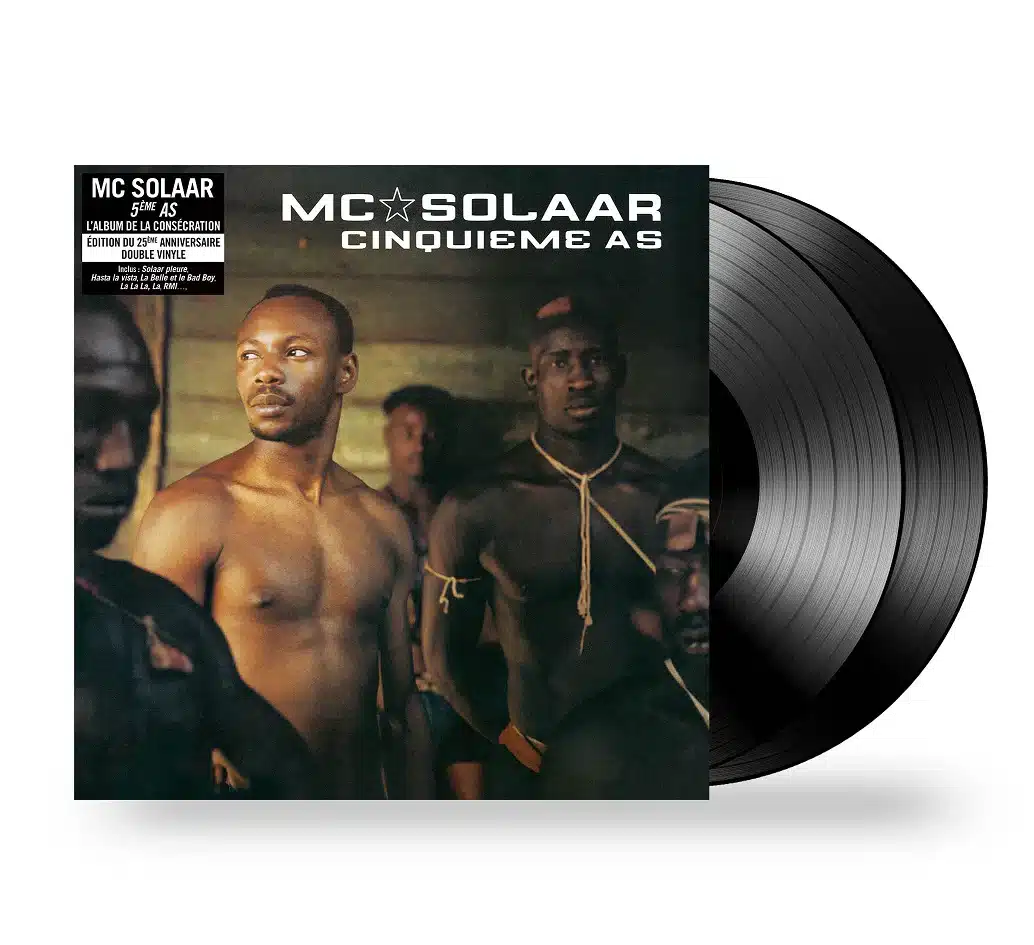
Vingt-cinq ans après sa sortie, Cinquième As, l’un des plus grands classiques du rap français, fait son grand retour dans une collection de rééditions limitées en double vinyle et CD. Album de la consécration populaire et critique de MC Solaar, certifié double disque de platine, il demeure une référence grâce à la finesse de ses textes, la richesse de ses productions et des titres emblématiques comme Solaar pleure, Hasta la vista, La Belle et le bad boy ou Le Cinquième As. Pour célébrer cet anniversaire, Warner Music France propose plusieurs éditions destinées aussi bien aux fans qu’aux collectionneurs : le double vinyle noir de l’album original, l’édition internationale Fifth Ace en double vinyle crème, inspirée de la version export et enrichie de titres exclusifs, ainsi qu’une édition Deluxe 2CD Digipack réunissant l’album original et un second disque de versions rares et inédites en France, dont Solaar Pleure (Symphonic Version), ¡Hasta La Vista Mi Amor! (Spanish Version), Samedi Soir et l’inédit Solaar Weeps. Une campagne anniversaire incontournable pour redécouvrir l’un des albums les plus influents de l’histoire du rap français.
Vingt-cinq ans après sa sortie, Cinquième As, l’un des plus grands classiques du rap français, fait son grand retour dans une collection de rééditions limitées en double vinyle et CD. Album de la consécration populaire et critique de MC Solaar, certifié double disque de platine, il demeure une référence grâce à la finesse de ses textes, la richesse de ses productions et des titres emblématiques comme Solaar pleure, Hasta la vista, La Belle et le bad boy ou Le Cinquième As. Pour célébrer cet anniversaire, Warner Music France propose plusieurs éditions destinées aussi bien aux fans qu’aux collectionneurs : le double vinyle noir de l’album original, l’édition internationale Fifth Ace en double vinyle crème, inspirée de la version export et enrichie de titres exclusifs, ainsi qu’une édition Deluxe 2CD Digipack réunissant l’album original et un second disque de versions rares et inédites en France, dont Solaar Pleure (Symphonic Version), ¡Hasta La Vista Mi Amor! (Spanish Version), Samedi Soir et l’inédit Solaar Weeps. Une campagne anniversaire incontournable pour redécouvrir l’un des albums les plus influents de l’histoire du rap français.
Réédition du 1er album solo de Peter Doherty « Grace/ Wastelands » sorti en mars 2009. L’album a été enregistré aux London’s Olympic Studios et produit par Stephen Street. On retrouve sur cet album les singles « Last of the English Roses » et « Broken Love Song » ainsi que des collaborations avec Graham Coxon de Blur et la chanteuse Dot Allison
Nouveau Maxi 45T de remixes de Karen Cheryl ! Retrouvez « There’s a sweet Melody » et « Keepin’ it up » remixés par PAS et Jimmy James en versions Edit et Extended. Vinyle violet.
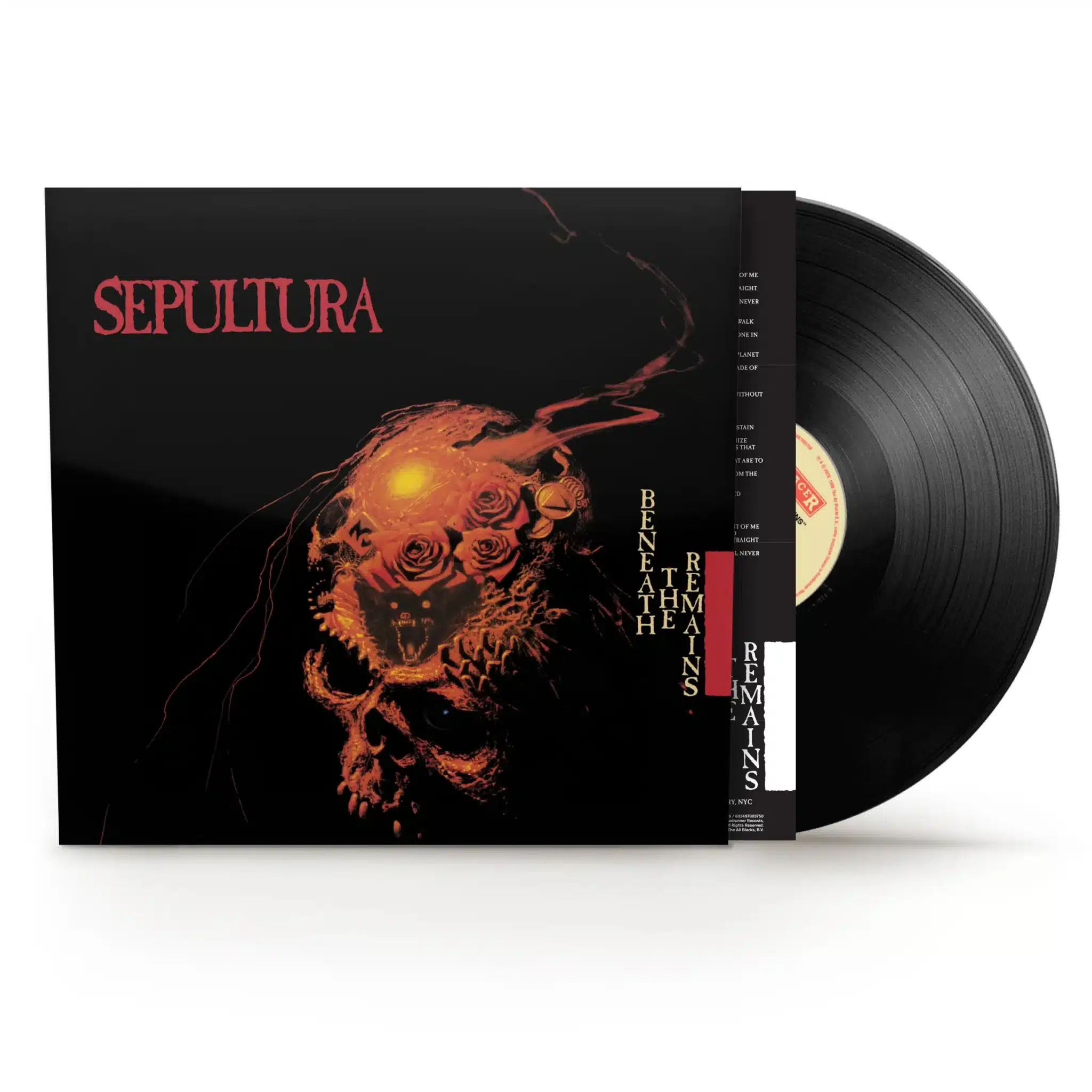
Considéré comme l’un des albums fondateurs du thrash metal, Beneath the Remains marque l’entrée de Sepultura parmi les plus grandes références du genre. Porté par une production puissante et des classiques tels que Inner Self, Mass Hypnosis et le morceautitre, cet album demeure une influence majeure pour plusieurs générations de groupes de metal. Disponible en vinyle, cette réédition permet de redécouvrir un classique incontournable.
Fontaines D.C. release their fifth studio album, Dopamine Chamber, released via XL Recordings. Produced by James Ford, it is the follow-up to 2024’s UK platinum-certified Romance – and the sound of a band moving decisively away from the guitar language of their early records into something colder, stranger and more synthetic.
Dopamine Chamber arrives like a constellation behind undulating sighs of smog: potent balladry, anthemic melodies glinting through the murk. In a world tipping towards collapse, it asks how pleasure mutates amid peril—and what our pursuit of it reveals about us. Across the album, Fontaines D.C. – Grian Chatten, Carlos O’Connell, Conor Curley, Conor Deegan and Tom Coll – move between gratification and dread until the two meld together, reflecting the overwhelm of artificial intelligence, environmental collapse and political violence all riding the same algorithms as memes, jokes and celebrity culture. “The album itself is a dopamine chamber,” says Chatten. “You step inside and we test these different mind- or mood-altering pieces of music on you.”
Where Romance held its tension in balance, this record tips it. “I think Romance was maybe 60 per cent human and 40 per cent corrupted by automation, and a loss of feeling,” says Chatten, who spent time among the faded grandeur of Venice, Vienna and Sicily in search of lyrical inspiration. “This one feels more like 60 per cent corrupted — the mask is wearing the face a little more.” He resisted any pull towards easy optimism: “I felt it would be more powerful to leave the hope out and reflect the ugliness honestly. This one needed to feel more like a catastrophic warning.”
“Our albums have always questioned a sense of place,” says bassist Conor Deegan. “First Dublin, then being away from Dublin, and then trying to find the romance elsewhere. On this record, the question became: where do you escape to?” Into the self, perhaps – or hedonism, fantasy, cosmetic perfection, eternal youth or the endless refresh of a screen.
Fontaines D.C. have spent five albums refusing to repeat themselves – from Dogrel (2019) through A Hero’s Death (2020), the No. 1 Skinty Fia (2022) and the anarchic, kaleidoscopic Romance (2024). Dopamine Chamber is their most radical turn yet: cold synthesiser tones, marching drums, samples and triggers, several songs with no guitars at all, and the swooning strings of 1960s Italian pop pulled into something synthetic. For guitarist Conor Curley, the aim was to break from the band’s own reference points: “I was trying to find stuff that pointed into the future.” It was made with James Ford between London, the English countryside and Palermo, where Chatten recorded vocals in a makeshift booth built from mattresses and cushions.
“There’s a poignant sense of us being on the brink of some other kind of form of humanity, or non-humanity,” says Chatten. For their fifth album, Fontaines D.C. have built the chamber. What happens to the listener inside it will be the experiment
Fontaines D.C. release their fifth studio album, Dopamine Chamber, released via XL Recordings. Produced by James Ford, it is the follow-up to 2024’s UK platinum-certified Romance – and the sound of a band moving decisively away from the guitar language of their early records into something colder, stranger and more synthetic.
Dopamine Chamber arrives like a constellation behind undulating sighs of smog: potent balladry, anthemic melodies glinting through the murk. In a world tipping towards collapse, it asks how pleasure mutates amid peril—and what our pursuit of it reveals about us. Across the album, Fontaines D.C. – Grian Chatten, Carlos O’Connell, Conor Curley, Conor Deegan and Tom Coll – move between gratification and dread until the two meld together, reflecting the overwhelm of artificial intelligence, environmental collapse and political violence all riding the same algorithms as memes, jokes and celebrity culture. “The album itself is a dopamine chamber,” says Chatten. “You step inside and we test these different mind- or mood-altering pieces of music on you.”
Where Romance held its tension in balance, this record tips it. “I think Romance was maybe 60 per cent human and 40 per cent corrupted by automation, and a loss of feeling,” says Chatten, who spent time among the faded grandeur of Venice, Vienna and Sicily in search of lyrical inspiration. “This one feels more like 60 per cent corrupted — the mask is wearing the face a little more.” He resisted any pull towards easy optimism: “I felt it would be more powerful to leave the hope out and reflect the ugliness honestly. This one needed to feel more like a catastrophic warning.”
“Our albums have always questioned a sense of place,” says bassist Conor Deegan. “First Dublin, then being away from Dublin, and then trying to find the romance elsewhere. On this record, the question became: where do you escape to?” Into the self, perhaps – or hedonism, fantasy, cosmetic perfection, eternal youth or the endless refresh of a screen.
Fontaines D.C. have spent five albums refusing to repeat themselves – from Dogrel (2019) through A Hero’s Death (2020), the No. 1 Skinty Fia (2022) and the anarchic, kaleidoscopic Romance (2024). Dopamine Chamber is their most radical turn yet: cold synthesiser tones, marching drums, samples and triggers, several songs with no guitars at all, and the swooning strings of 1960s Italian pop pulled into something synthetic. For guitarist Conor Curley, the aim was to break from the band’s own reference points: “I was trying to find stuff that pointed into the future.” It was made with James Ford between London, the English countryside and Palermo, where Chatten recorded vocals in a makeshift booth built from mattresses and cushions.
“There’s a poignant sense of us being on the brink of some other kind of form of humanity, or non-humanity,” says Chatten. For their fifth album, Fontaines D.C. have built the chamber. What happens to the listener inside it will be the experiment
Fontaines D.C. release their fifth studio album, Dopamine Chamber, released via XL Recordings. Produced by James Ford, it is the follow-up to 2024’s UK platinum-certified Romance – and the sound of a band moving decisively away from the guitar language of their early records into something colder, stranger and more synthetic.
Dopamine Chamber arrives like a constellation behind undulating sighs of smog: potent balladry, anthemic melodies glinting through the murk. In a world tipping towards collapse, it asks how pleasure mutates amid peril—and what our pursuit of it reveals about us. Across the album, Fontaines D.C. – Grian Chatten, Carlos O’Connell, Conor Curley, Conor Deegan and Tom Coll – move between gratification and dread until the two meld together, reflecting the overwhelm of artificial intelligence, environmental collapse and political violence all riding the same algorithms as memes, jokes and celebrity culture. “The album itself is a dopamine chamber,” says Chatten. “You step inside and we test these different mind- or mood-altering pieces of music on you.”
Where Romance held its tension in balance, this record tips it. “I think Romance was maybe 60 per cent human and 40 per cent corrupted by automation, and a loss of feeling,” says Chatten, who spent time among the faded grandeur of Venice, Vienna and Sicily in search of lyrical inspiration. “This one feels more like 60 per cent corrupted — the mask is wearing the face a little more.” He resisted any pull towards easy optimism: “I felt it would be more powerful to leave the hope out and reflect the ugliness honestly. This one needed to feel more like a catastrophic warning.”
“Our albums have always questioned a sense of place,” says bassist Conor Deegan. “First Dublin, then being away from Dublin, and then trying to find the romance elsewhere. On this record, the question became: where do you escape to?” Into the self, perhaps – or hedonism, fantasy, cosmetic perfection, eternal youth or the endless refresh of a screen.
Fontaines D.C. have spent five albums refusing to repeat themselves – from Dogrel (2019) through A Hero’s Death (2020), the No. 1 Skinty Fia (2022) and the anarchic, kaleidoscopic Romance (2024). Dopamine Chamber is their most radical turn yet: cold synthesiser tones, marching drums, samples and triggers, several songs with no guitars at all, and the swooning strings of 1960s Italian pop pulled into something synthetic. For guitarist Conor Curley, the aim was to break from the band’s own reference points: “I was trying to find stuff that pointed into the future.” It was made with James Ford between London, the English countryside and Palermo, where Chatten recorded vocals in a makeshift booth built from mattresses and cushions.
“There’s a poignant sense of us being on the brink of some other kind of form of humanity, or non-humanity,” says Chatten. For their fifth album, Fontaines D.C. have built the chamber. What happens to the listener inside it will be the experiment
Fontaines D.C. release their fifth studio album, Dopamine Chamber, released via XL Recordings. Produced by James Ford, it is the follow-up to 2024’s UK platinum-certified Romance – and the sound of a band moving decisively away from the guitar language of their early records into something colder, stranger and more synthetic.
Dopamine Chamber arrives like a constellation behind undulating sighs of smog: potent balladry, anthemic melodies glinting through the murk. In a world tipping towards collapse, it asks how pleasure mutates amid peril—and what our pursuit of it reveals about us. Across the album, Fontaines D.C. – Grian Chatten, Carlos O’Connell, Conor Curley, Conor Deegan and Tom Coll – move between gratification and dread until the two meld together, reflecting the overwhelm of artificial intelligence, environmental collapse and political violence all riding the same algorithms as memes, jokes and celebrity culture. “The album itself is a dopamine chamber,” says Chatten. “You step inside and we test these different mind- or mood-altering pieces of music on you.”
Where Romance held its tension in balance, this record tips it. “I think Romance was maybe 60 per cent human and 40 per cent corrupted by automation, and a loss of feeling,” says Chatten, who spent time among the faded grandeur of Venice, Vienna and Sicily in search of lyrical inspiration. “This one feels more like 60 per cent corrupted — the mask is wearing the face a little more.” He resisted any pull towards easy optimism: “I felt it would be more powerful to leave the hope out and reflect the ugliness honestly. This one needed to feel more like a catastrophic warning.”
“Our albums have always questioned a sense of place,” says bassist Conor Deegan. “First Dublin, then being away from Dublin, and then trying to find the romance elsewhere. On this record, the question became: where do you escape to?” Into the self, perhaps – or hedonism, fantasy, cosmetic perfection, eternal youth or the endless refresh of a screen.
Fontaines D.C. have spent five albums refusing to repeat themselves – from Dogrel (2019) through A Hero’s Death (2020), the No. 1 Skinty Fia (2022) and the anarchic, kaleidoscopic Romance (2024). Dopamine Chamber is their most radical turn yet: cold synthesiser tones, marching drums, samples and triggers, several songs with no guitars at all, and the swooning strings of 1960s Italian pop pulled into something synthetic. For guitarist Conor Curley, the aim was to break from the band’s own reference points: “I was trying to find stuff that pointed into the future.” It was made with James Ford between London, the English countryside and Palermo, where Chatten recorded vocals in a makeshift booth built from mattresses and cushions.
“There’s a poignant sense of us being on the brink of some other kind of form of humanity, or non-humanity,” says Chatten. For their fifth album, Fontaines D.C. have built the chamber. What happens to the listener inside it will be the experiment